
Arthritis
Physiotherapy for osteoarthritis and rheumatoid arthritis — improving joint comfort, mobility, and quality of life. Includes osteoarthritis and rheumatoid arthritis.
Arthritis in plain language
“Arthritis” covers a range of conditions that affect the joints. The two we see most often in physiotherapy are osteoarthritis (wear and tear of joint cartilage, often in knees, hips, and hands) and rheumatoid arthritis (an autoimmune condition where joints are inflamed).
How physiotherapy helps
Physiotherapy doesn’t change the underlying joint disease, but it can support quality of life — and the evidence for movement-based treatment in arthritis is strong.
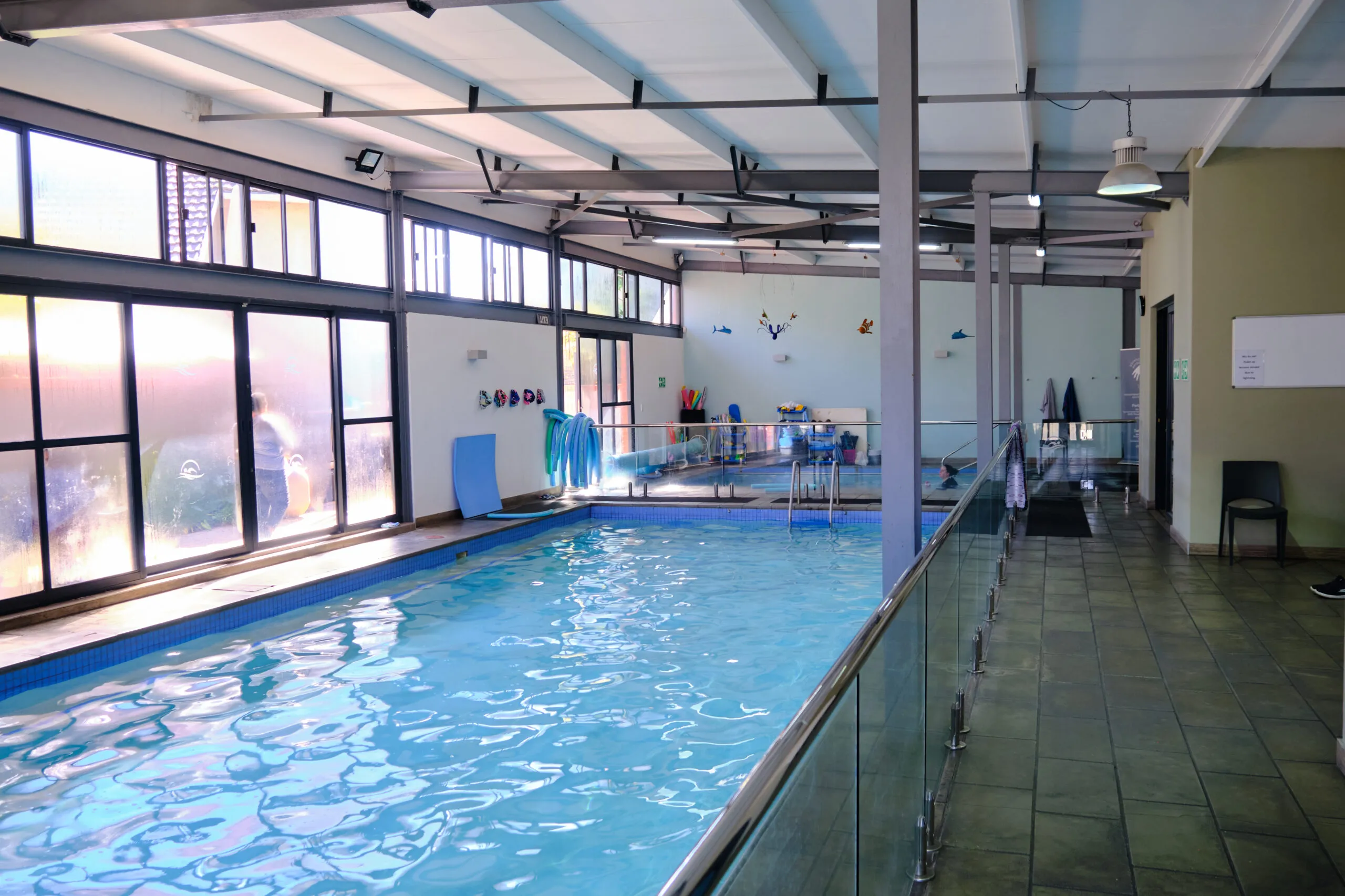
- Aquatic therapy is particularly useful. The heated pool reduces joint load and the warmth helps with stiffness.
- Strength work on land for the muscles around affected joints.
- Gentle mobility work to maintain range of movement.
- Pacing strategies for activities that flare your joints.
Osteoarthritis
For osteoarthritis, our focus is usually on maintaining strength around the affected joints, finding movement that doesn’t flare you, and keeping you doing the things that matter to you.
Rheumatoid arthritis
For rheumatoid arthritis, we work closely with the rest of your medical team (usually a rheumatologist). The focus is gentle, often-aquatic-based maintenance of mobility and strength, with careful attention to flare-ups.
When to see your doctor
If you have new joint swelling, redness, fever, or significant new pain, please consult your doctor. Inflammatory arthritis can need medical intervention beyond physiotherapy.